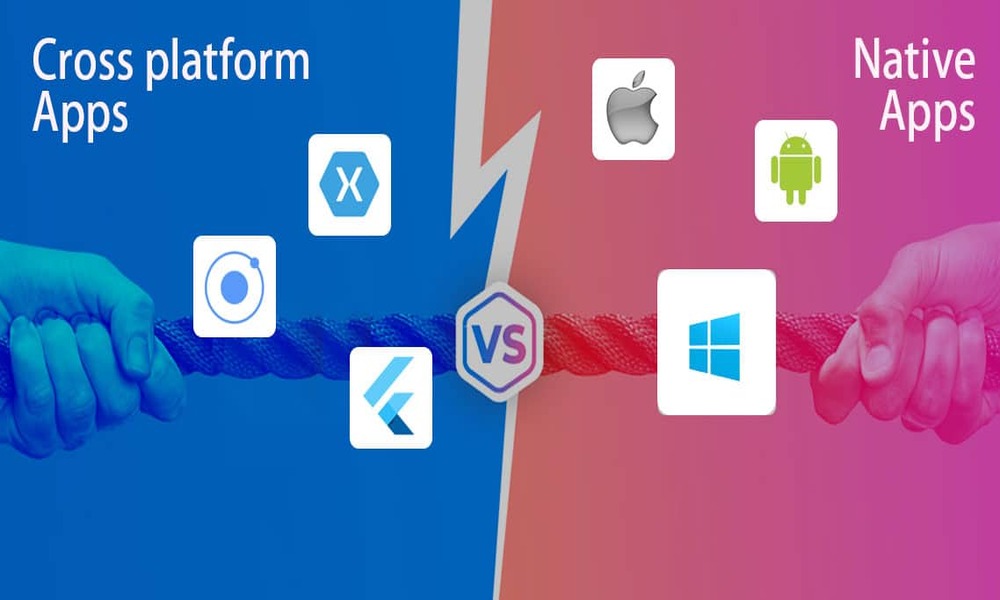
The world of app development is bustling with options, and two primary approaches dominate the landscape: cross-platform and native app development. Each has its strengths and weaknesses, and the optimal choice depends on your specific project requirements. In this blog, we’ll delve into the core differences between these two approaches, helping you make an informed decision for your app development journey.
Understanding the Basics
- Native App Development: Involves building apps specifically for a particular platform (iOS, Android, Windows, etc.) using the platform’s native programming languages and tools.
- Cross-Platform App Development: Leverages a single codebase to create apps that can run on multiple platforms, often using frameworks or tools like React Native, Flutter, or Xamarin.
When to Choose Cross-Platform App Development
- Rapid time-to-market: Need to launch on multiple platforms quickly.
- Limited budget: Cost-effective solution for reaching a wider audience.
- Simple apps with basic functionalities: Apps that don’t require heavy-duty performance or complex features.
Making the Right Choice
Ultimately, the decision between cross-platform and native app development hinges on your specific project goals, target audience, budget, and timeline. Carefully evaluate your project requirements and consider the following factors:
- Target audience: Understand the platforms your users primarily use.
- App complexity: Assess the level of performance and features required.
- Budget and timeline: Determine the available resources and project deadlines.
- Long-term maintenance: Consider the ongoing costs and effort for updates and support.
By carefully considering these factors, you can make an informed decision that aligns with your app development objectives and sets your project up for success.